Financial literacy is knowing what finances are and how to spend, save, and manage money effectively. But it’s not a light switch—you don’t flip the switch and be done with it.


For many people, finances have a huge influence on their emotions and mental health. It’s common to feel a wide range of emotions when thinking about money. Some of the most common are stress, fear, and anxiety. Maybe you’re navigating a difficult financial situation, worrying that you’re going to make a bad money move, or facing an uncertain economic future.
According to a 2021 study conducted by the Financial Industry Regulatory Authority (FINRA) and Global Financial Literacy Excellence Center (GFLEC), 60% of U.S. adults were “financially anxious” and 50% “financially stressed” in 2018. As the study summarizes, “It is noteworthy that such high levels of financial anxiety and stress were observed during a time of economic expansion and record-low unemployment rates.” Those numbers are likely higher now. So if you’re feeling financial stress, know that you aren’t alone.
Along with the emotional impact of anxiety or depression, financial stress can have physical consequences. The Office of Financial Readiness, an organization of the U.S. Department of Defense that supports military service members, notes that symptoms of negative mental wellness related to financial stress may include:
From the outside, financial decisions may seem ruled by logic—at least ideally. For most people, though, emotions have a huge impact on monetary choices, whether intentional or not. While many emotions can impact someone’s finances, some of the most common are happiness, fear, shame, and greed. One example of this is pursuing happiness through retail therapy (more on that below).
Many people fear a catastrophic financial event, and make choices to mitigate that fear. Some of those choices are helpful, such as purchasing robust insurance coverage, avoiding high-risk investments, and budgeting conservatively. Others can be detrimental, such as avoiding investing altogether because of a paralyzing fear of making the “wrong” investment decisions, or buying inexpensive but lower-quality products that end up costing more in the long run due to a fear of overspending.
Shame can manifest as embarrassment over not knowing or not doing what you feel you “should” already know or do. But shame is not constructive and can lead to a reluctance to learn more or change negative actions. Financial literacy and management are learned skills. Just like playing an instrument or creating art, those skills take practice and education to build. Shame may also come from feeling that your financial mistakes are impossible to overcome, leading to a “it’s too late, why even try?” approach to finances. This defeatist attitude can cause you to spiral deeper into negative financial decisions. If you feel this way, know that you still have options, and there are people and resources that can help. Experts in your community, such as representatives from your financial institution, can provide guidance or point you in the right direction to receive help.
Greed doesn’t always have a negative impact on your finances. You need money to survive and live a comfortable life, and there’s nothing wrong with optimizing how much you earn to do that. But it can turn negative when greed crowds out better judgment. Greed may lead to an ill-advised investment that “guarantees” high returns, or cause you to forgo emergency fund savings or insurance purchases to keep a larger balance in your bank account. To combat the negative impacts of greed, remember to focus on the overall picture, not just what’s immediately in front of you.
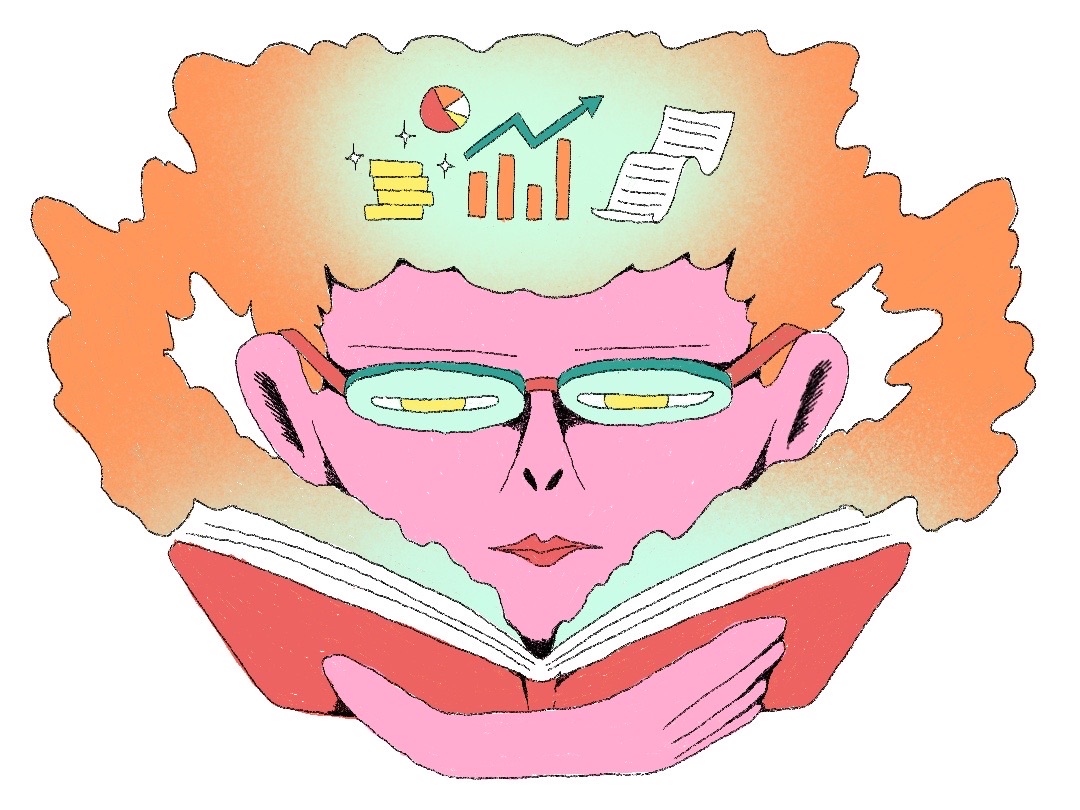
If your finances are severely impacting your ability to live a happy and fulfilling life, there are steps you can take. The FINRA and GFLEC study mentioned above found that someone with higher levels of financial literacy had lower levels of financial stress.
Educating yourself, and thus increasing your financial literacy, is a great place to start. The following resources can help you take the first steps toward improving or understanding your financial stressors.
Debt
Budgeting
Preparing for an Emergency
Life Changes
Many more resources on a variety of potential financial stressors are available in this financial Wellness Center.
For support related to improving your mental wellness, consider reaching out to a qualified mental health counselor or therapist. They can provide personalized guidance for you and your specific needs.
Emotions, mental health, and financial choices are likely to always have a strong connection. Being aware of these connections in your life can ensure that they benefit rather than hurt you. The first step is to educate yourself on your particular stressors, concerns, or tendencies. From there, you can begin to make changes, guided by experts as needed, that make a positive impact on your finances and overall health.